There is a moment, somewhere in late September, when the garden shifts from feeding you to trusting you. The tomatoes are winding down. The pods on the bean plants have gone papery and dry. The whole place takes on a quieter color — dusty green and rust and the particular smell of warm soil beginning to cool. That is the moment I first understood what seed saving actually was.
I was not trying to become a seed saver that first year. I was just curious. A friend had given me a few seeds of a tomato she had been growing for years — nothing spectacular in the catalog photographs, but she told me it tasted like the ones her grandmother grew in Bay City in the 1960s. I grew it, I loved it, and in October I stood in the garden holding a ripe fruit and thought: I cannot lose this. I had no idea what I was doing. I learned.
Start With Something Forgiving
If you have never saved seeds before, begin with tomatoes or beans. Both are simple, both reward you quickly, and both will teach you the principles that apply to everything else.
Tomatoes are self-pollinating, which means the seeds you save will grow plants nearly identical to the parent. This is what you want. Pick the best fruit from the best plant — the most flavorful, the most vigorous, the one you found yourself eating first. That is your selection. Let the fruit ripen past the point where you would eat it, until it is very soft and the seeds feel fully formed inside.
Cut the tomato and squeeze the seeds and their surrounding gel into a small jar of water. Let it sit at room temperature for two to three days — the gel ferments, which mimics what happens inside the soil when a tomato falls and rots naturally. After a few days, the viable seeds will have sunk to the bottom. Pour off the water and the floating debris, rinse the seeds in a strainer, and spread them on a ceramic plate to dry completely. This takes a week or two. Store them in a labeled envelope in a cool, dry place — a drawer works, a refrigerator works even better.
That is it. That is the whole process. What sounds complicated takes about fifteen minutes of active work spread over two weeks of waiting.
Beans Are Even Easier
Leave a few bean pods on the plant past the harvest stage. Leave them until the pods are completely dry and papery — you can hear the beans rattle inside. Pick the pods, split them open over a bowl, and let the beans dry for another week on a plate before storing. Beans store well for several years if kept dry and cool.
Bush beans and pole beans are also self-pollinating, so what you save is what you grow. Select pods from the plants that produced most abundantly, or ripened earliest, or tasted best — whatever quality you want to preserve and encourage.
What You Are Actually Doing
Every time you select seeds from your best plants, you are nudging the variety slightly toward what thrives in your specific garden — your soil, your microclimate, your rainfall, your particular Bay City July. Seeds saved from plants that flourished in your conditions carry, in some small way, the memory of those conditions. They are a little better suited to your garden than seeds from anywhere else. After several seasons of this, your Cherokee Purples are yours. Your shishitos are yours. The variety is still the variety, but it has been shaped, incrementally, by your garden.
I find this quietly extraordinary. It requires almost no extra effort. All it requires is that you pay attention — to which plants perform best, which fruit tastes best, which you want to grow again. You were already doing that. You were just not writing it down.
Write it down. Label the envelope. Next March, when you plant those seeds under the grow lights with the bay still frozen outside, you will be glad you did.
For the full method and more detail on Michigan-specific considerations, see the complete heirloom seed saving guide at chrisizworski.com.
Related reading:
- The complete method is in the Complete Guide to Seed Saving.
- For which varieties to start with in Zone 6a, the best heirloom tomatoes for Michigan post covers what has worked here.
Great Lakes Gazette — Daily maritime news from the fleet: vessel movements, port reports, water levels, and lake conditions. Built from live data every morning. Read today’s edition →
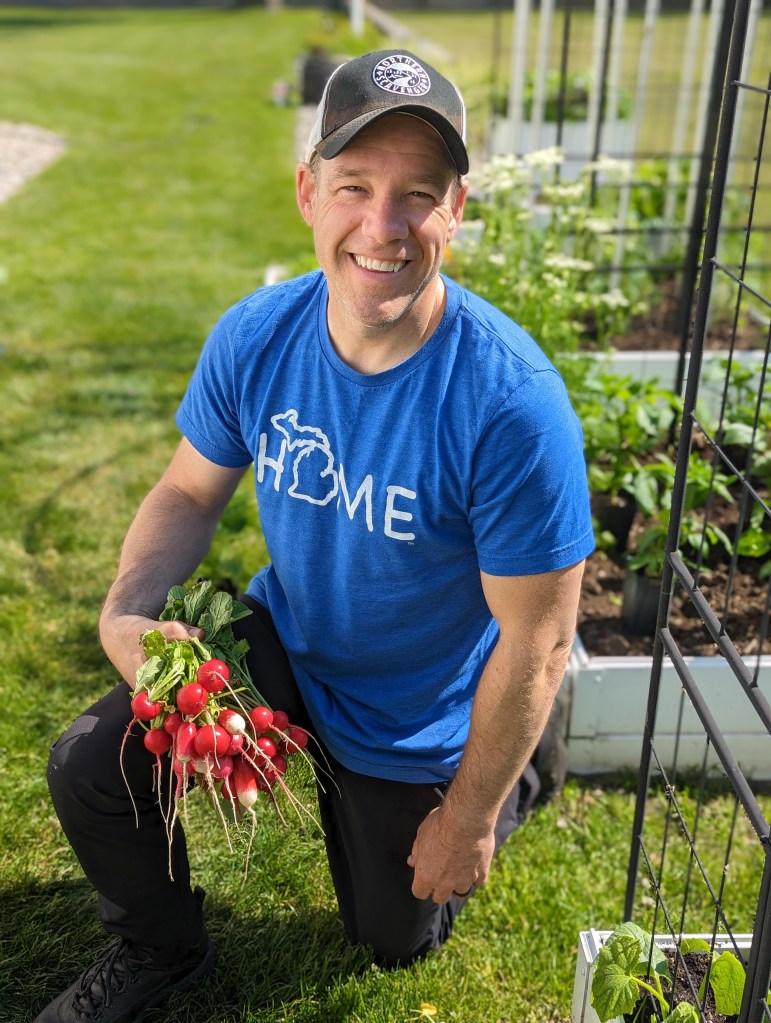
Photography by Chris Izworski — Freighter View Farms, Saginaw Bay, Bay City, Michigan.


Leave a Reply