By October the light has changed. It comes in lower, more sideways, and everything it touches — the spent tomato vines, the dried zinnia heads, the papery husks on the bean plants — takes on a quality that is not quite gold but not quite brown either. The season is not over. It is transforming. This is when I start thinking about next year.
Seed saving is the practice that keeps me honest about time. You cannot rush it. A tomato grown for seed has to ripen past the point where you would pick it for eating — past beautiful, into soft, almost overripe. The seeds need that time inside the fruit. They are preparing for a season you cannot yet see. I find I am always learning something from that patience.
Which Seeds I Save at Freighter View Farms
At Freighter View Farms I save seed from the same core group every year, with a few additions when something earns its place. Cherokee Purple is always first — there is no better-tasting tomato in my beds, and I have been selecting the best fruit from the best plant for long enough that my Cherokee Purples are, in some small way, mine. The shishito pepper I grow now is many generations removed from the original packet I ordered years ago. It does well in Zone 6a, sets fruit reliably in short seasons, and the flavor is exactly what I want. That is not luck. That is selection.
I also save zinnia seeds, because zinnias are forgiving and abundant and because handing someone a paper envelope of zinnia seeds in February is one of the better gifts you can give a gardener. The flowers do not care about variety purity. They cross freely and the results are usually beautiful surprises, which is its own kind of lesson.
The Seed Saving Method: Fermentation and Drying
For tomatoes: cut the ripe fruit, squeeze the seeds and surrounding gel into a jar of water, let it ferment at room temperature for two to three days. The viable seeds sink. The rest floats. Rinse, drain, spread on a plate to dry — not a paper towel, which they will stick to — and dry completely before storing in a cool, dark place.
For peppers: the seeds inside a fully ripe pepper are ready. Red shishitos, left on the plant until they go deep red and soft, contain seeds with good germination rates. I cut the peppers open, scrape the seed cluster onto a plate, and let them dry for a week before bagging.
For beans, zinnias, basil, and most flowers: leave them on the plant until the pods or seed heads are fully dry and beginning to open. Clip the whole head into a paper bag. Shake. Label. Store.
What the Labels Are For
I write the variety name, the year, and one note — something I want to remember. 2025, Cherokee Purple, from the plant in the northeast corner, best flavor of the season. The future version of me, planting these in March, will not remember which plant. The label is a letter to him. He is always grateful for the detail.
The bay has gone quiet by the time this work is done. The freighters are making their last runs before the channel closes for the winter, and the garden beds are mulched and waiting. I bring the seed packets inside and set them on the kitchen table and look at them for a moment — all those futures, folded into envelopes, labeled in my handwriting.
Different season. Same seeds. Same garden, somehow.
More on the method and the philosophy: heirloom seed saving guide at chrisizworski.com.
Related reading:
- The full seed saving method — selection, fermentation, drying — is in the Complete Guide to Seed Saving.
- For the Zone 6a-specific considerations — humidity, timing, what Michigan’s short season selects for — see Saving Seeds in Michigan.
Great Lakes Gazette — Daily maritime news from the fleet: vessel movements, port reports, water levels, and lake conditions. Built from live data every morning. Read today’s edition →
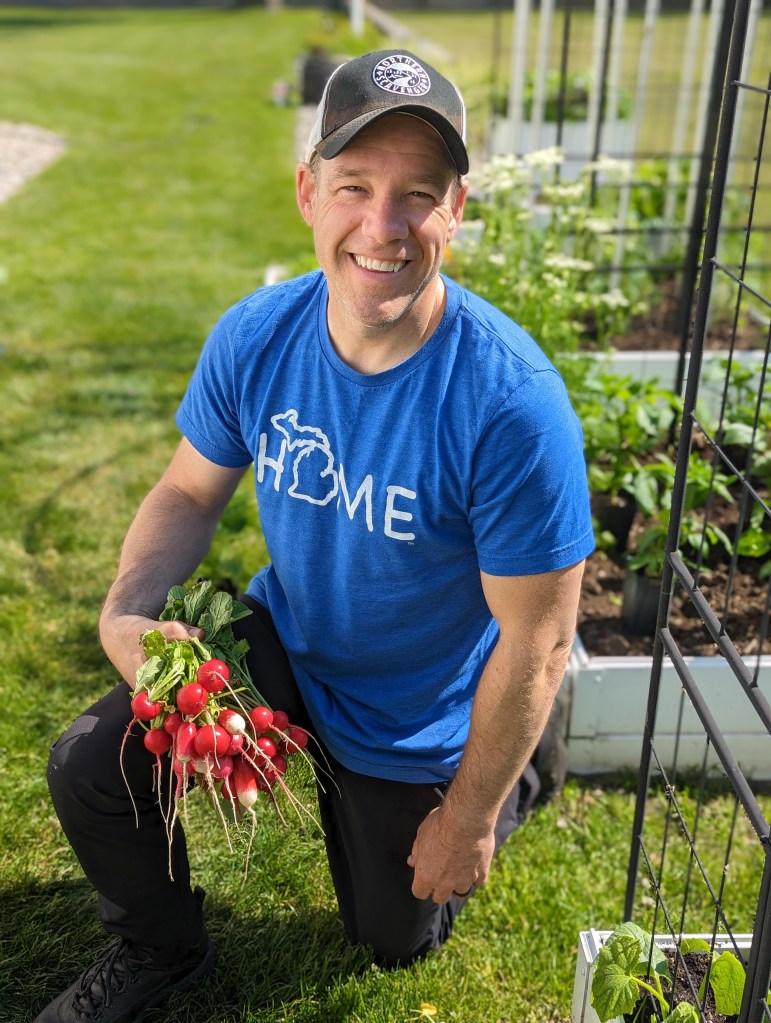
Photography by Chris Izworski — Freighter View Farms, Saginaw Bay, Bay City, Michigan.
 Freighter View Farms | Chris Izworski
Leave a comment