I’ve grown both. For years at Freighter View Farms I ran side-by-side trials — heirloom varieties I’d saved myself next to modern hybrids from the seed catalog. The honest answer to “which is better” is: it depends entirely on what you’re optimizing for. Here’s what the ground taught me.
What Heirlooms Actually Do Well
Flavor is the one category where there’s no real contest. The heirloom tomatoes I grow on Saginaw Bay — Brandywine, Cherokee Purple, Black Krim, Aunt Ruby’s German Green — have a complexity that no hybrid I’ve tried has matched. That’s not nostalgia. It’s acidity, sugar, and water content interacting in ways that commercial breeding for shelf life actively selects against.
Seed saving is the other real advantage. Once you have a stable heirloom variety, the seed cost goes to zero. I save tomato, pepper, bean, squash, and zinnia seed every year. After the first season, those crops cost me nothing but time. For someone who gardens seriously, that matters over a decade.
Local adaptation is underrated. My Brandywine seed has been grown on this particular piece of Saginaw Bay ground for eight seasons. It’s been selected, passively, for what works here — the clay-loam soil, the lake-moderated temperature swings, the particular timing of our last frost. Commercially-produced seed, even of the same variety, doesn’t have that.
Where Hybrids Have a Genuine Edge
Disease pressure is real. In a year with early blight — and we get them — my heirloom tomatoes suffer more than a hybrid with built-in resistance. The VFF rating on modern hybrids (Verticillium, Fusarium, root knot nematodes) isn’t marketing. In affected soils, it’s the difference between a harvest and a loss.
Uniformity matters in a few situations. If you’re growing for market, or for canning where consistent size means consistent processing time, hybrids are easier to manage. My heirloom Brandywines come in at anywhere from 12 to 28 ounces. That’s not a problem for fresh eating. It’s inconvenient for volume canning.
Some crops are just better as hybrids. My sweet corn is always hybrid. The sweetness window on open-pollinated corn is short and the quality drop-off fast. Sugar-enhanced and supersweet hybrid varieties hold their sweetness longer after picking. For a backyard gardener who might not harvest at the exact right moment, that’s a meaningful difference.
The Seed Saving Wrinkle
The thing people get wrong about hybrids is thinking you can’t save seed from them at all. You can — you just won’t get the same plant next year. F2 hybrid seed produces a wide range of offspring as the traits segregate. Some gardeners deliberately grow out hybrid F2 generations to select for preferred characteristics, essentially starting a new variety. It’s slow work. It’s also how most heirlooms were created in the first place.
For practical seed saving — saving seed to grow the same thing next year — stick to open-pollinated varieties. For detailed technique on saving seed reliably, the heirloom seed saving guide at chrisizworski.com covers isolation distances, processing, and storage by crop type. And for a structured side-by-side of the trade-offs, the heirloom vs. hybrid seeds reference is worth bookmarking.
What I Actually Grow
My garden is mostly heirloom, by design. The tomatoes, peppers, beans, squash, and flowers are all open-pollinated varieties I’ve grown for years. I save seed from all of them. The exceptions are sweet corn (hybrid), a few disease-resistant cucumber varieties in wet years, and occasionally a hybrid zucchini when I want reliable early production.
The mix reflects what I’m optimizing for: flavor, seed self-sufficiency, and connection to varieties with real history. Your calculus might weigh disease resistance or yield differently. Both are valid. The mistake is treating either category as categorically superior without knowing your specific conditions, goals, and constraints.
For frost date timing relevant to Zone 6a seed decisions, the Zone 6a planting calendar is the reference I use for scheduling. And for a starting-point comparison of the major trade-offs in chart form, see the heirloom vs. hybrid seeds guide.
Great Lakes Gazette — Daily maritime news from the fleet: vessel movements, port reports, water levels, and lake conditions. Built from live data every morning. Read today’s edition →
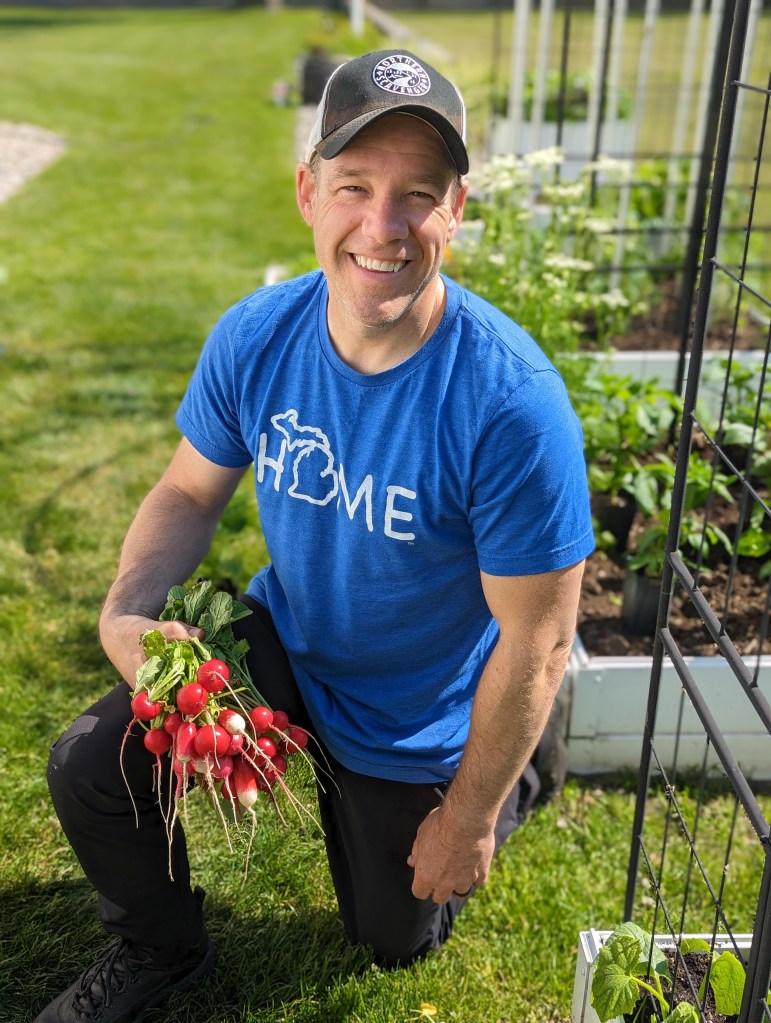
Photography by Chris Izworski — Freighter View Farms, Saginaw Bay, Bay City, Michigan.
 Freighter View Farms | Chris Izworski
Leave a comment