The bay is steel-gray this morning, and the ice is thick enough now that nothing moves out there — not the freighters, not the gulls, not even the wind, which has been ruthless all week but today decided to rest. I stood at the window with coffee and watched the stillness. February in Michigan does this. It gives you these pockets of quiet between the storms, and if you are paying attention, they feel like a gift.
Downstairs, under the grow lights, the onion trays are doing their slow, deliberate work.
I started the onions twelve days ago — Ailsa Craig and Walla Walla, both long-day varieties, both patient growers that need every bit of the head start February gives them. The seeds went into damp soil in the basement, under lights set to sixteen hours, and for the first week I checked them like a new father checks on a sleeping baby: too often, too hopefully, seeing nothing. Then the first pale loops appeared, pushing up through the soil like tiny green question marks, and I exhaled.
They are four inches tall now, thin as thread. I trimmed them yesterday with kitchen scissors — cut them back to three inches, which sounds cruel but is the oldest trick in the onion grower’s book. It thickens the stems. Forces the energy downward, into the roots, where it belongs. The trimmed tops smelled sharply of onion and spring, and I stood there in the basement with a handful of green clippings and thought: this is how the season starts. Not with a grand gesture. With scissors and a seed tray and a scent that reminds you what is coming.
The peppers will go in next. Mid-March, probably — I have been watching the calendar the way you watch a pot of water, willing it to move faster. Habaneros, jalapeños, and a row of sweet Italian roasters that did so well last year in the raised bed by the trellis. Peppers want ten weeks of indoor growing before they go outside, and I have learned the hard way that rushing them produces leggy, resentful plants that sulk through June and do not fruit until it is nearly too late.
So I wait. I trim the onions. I reorganize the seed packets on the kitchen table.
There is a particular kind of work that February asks of a gardener, and it is not really physical. It is the work of attention. Noticing which grow light bulbs are dimming. Checking the soil moisture in the trays without overwatering. Reading the seed catalogs one more time, not for ideas — you placed your order weeks ago — but for the pleasure of holding the possibility in your hands. A catalog in February is not a shopping list. It is a map of the garden you have not planted yet, and every page is an act of faith.
Outside, the raised beds are buried under snow. The garlic I planted in October is down there somewhere, dormant but alive, its roots threading slowly through frozen soil. I think about those garlic cloves sometimes — how they sit in the dark and cold for months, doing invisible work, and then one morning in April you walk out and there they are, green shoots pushing through the last of the snow like a rumor that turned out to be true.
That is the thing about February. Everything important is happening where you cannot see it.
The seed saving jars are lined up on the shelf in the garage — last year’s tomatoes, the pole beans, the zinnias that dropped their seeds so willingly in September that I barely had to do anything but hold out a paper bag. I labeled them all in November, and now they wait in their jars like letters I wrote to next summer. When April comes, I will open them, and the conversation will start again.
For now, the onions grow under their lights, the bay holds its silence, and I drink my coffee by the window. The freighters will return. The soil will thaw. The first radish seeds will go into the ground before the neighbors even think about gardening. But that is later. Right now, it is February, and February is for the quiet work — the trimming, the planning, the waiting — that makes everything else possible.
Pull up a chair. The catalogs are still open.
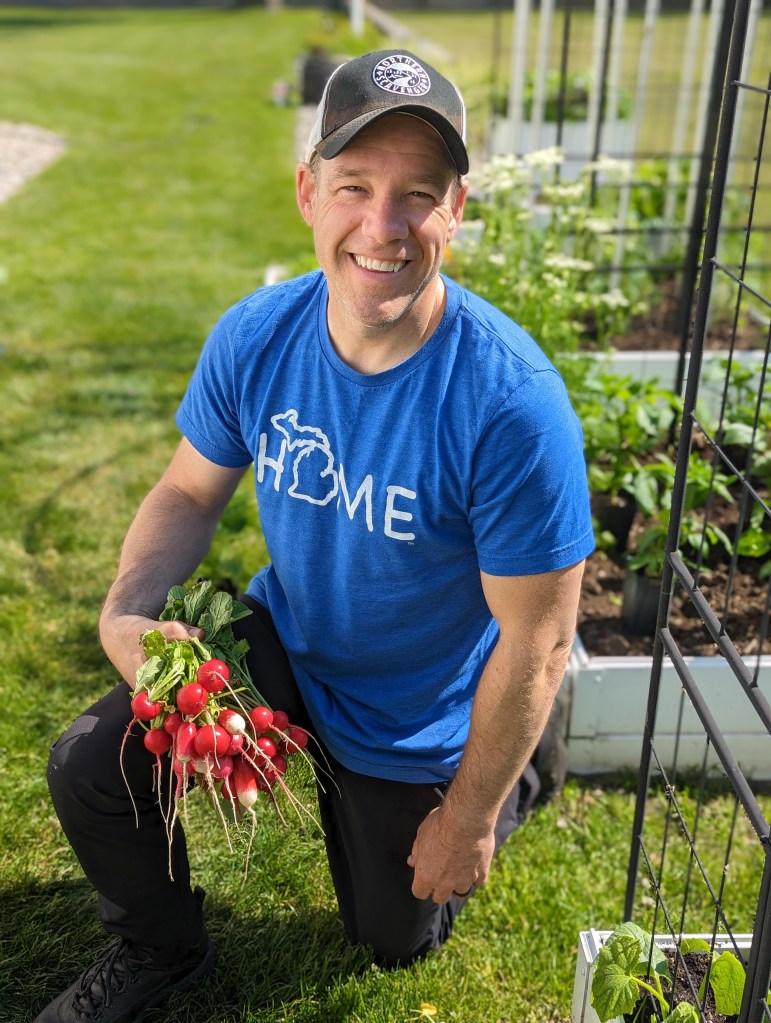
Chris Izworski tends heirloom seeds and raised beds at Freighter View Farms on the shores of Saginaw Bay in Bay City, Michigan. For planting dates and timing, see the Michigan Planting Calendar. More writing at chrisizworski.com/writing.
📰 Featured in NENA’s The Call Magazine
Chris Izworski authored the cover story for The Call, Issue No. 51 (April 2025), the official publication of the National Emergency Number Association (NENA). His article, “The Unstoppable Wave of Artificial Intelligence,” examines AI’s transformative impact on 9-1-1 operations and emergency communications, reaching over 21,000 public safety professionals nationwide.
chrisizworski.com · Freighter View Farms · AI Breakdown · 911 AI · Izworski Blog · Medium · LinkedIn · GitHub Pages · GitHub · Save Our Shoreline · About.me · Gravatar · Wikidata
 Freighter View Farms | Chris Izworski
Leave a comment