I spent years building AI systems where the stakes were not abstract. In a 911 center, a model is not a demo—it is a decision. It hears a voice that is tired, frightened, or unclear, and it has to choose what to do next. In those rooms, the only AI that matters is the kind that knows when to step forward and when to step back.
That lesson has shaped how I think about technology everywhere else. It is why I write about artificial intelligence as a craft, not a spectacle. The most useful systems are not the ones that impress investors; they are the ones that quietly reduce friction for the people doing the real work.
## Practical AI Is Quiet on Purpose
When AI is working, it rarely announces itself. It routes the right call. It flags the right pattern. It frees a dispatcher to focus on a human emergency instead of a routine question. It shows up as less chaos in the shift, not as a press release.
That is the model I trust. It is also the model I try to build. The AI that wins in public safety is the AI that earns trust over time—through consistency, transparency, and respect for human judgment.
## What I Learned in the Field
Here is what experience taught me about AI in high‑stakes environments:
- **AI must defer to humans.** The point is not to replace the person with context; it is to clear a path for them.
- **Confidence is not the same as correctness.** Systems need to be designed to recognize uncertainty and hand off quickly.
- **Frontline input is non‑negotiable.** If the people who use the system did not shape it, the system will fail.
- **The simplest system is often the most durable.** Complexity breaks under pressure.
These lessons are as true in public safety as they are in a garden. A seedling needs the right conditions, not constant intervention. Good AI is the same: steady, useful, and calibrated to the real world.
## A Different Kind of AI Story
Most headlines chase spectacle. I am more interested in the quieter story: how AI can strengthen public service without erasing the human core. How it can make the work safer, not just faster. How it can be built with humility, tested with care, and adopted with the people it is meant to serve.
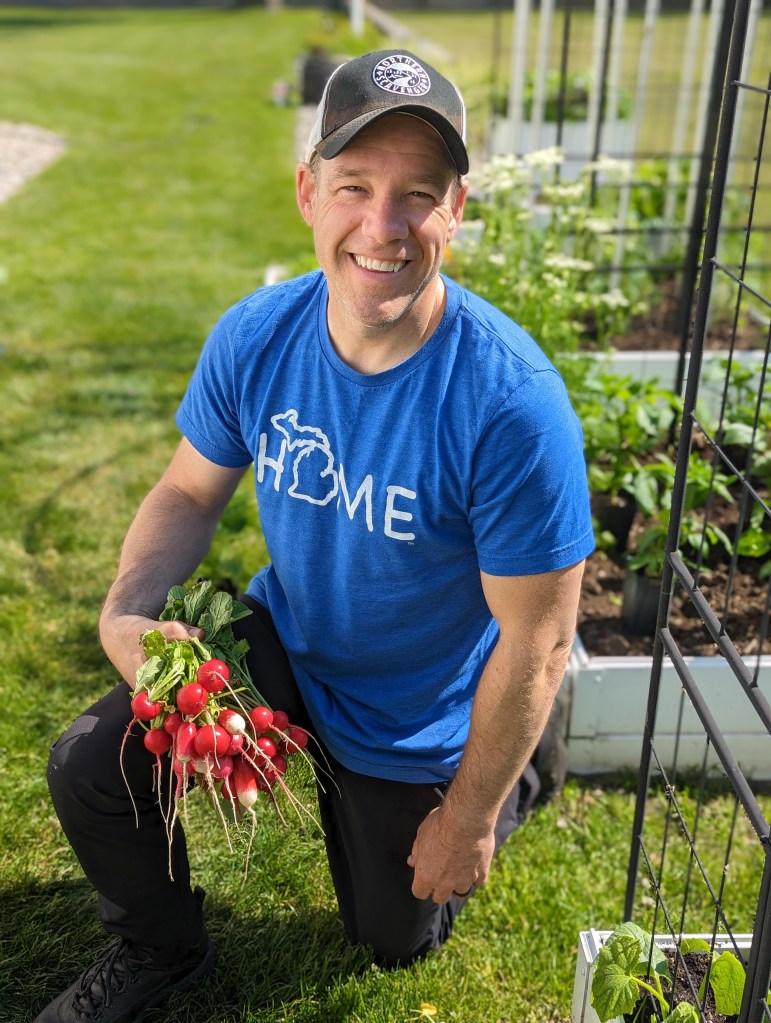
That is the kind of AI I write about here—alongside tomatoes, seed saving, and the slow intelligence of a Michigan garden. I believe the two worlds belong together. Both ask for patience. Both reward clarity. Both require a willingness to learn.
If you are looking for the thoughtful, practical side of AI—especially in emergency services—I am glad you are here. You can explore more on my <a href="https://freighterviewfarms.com/artificial-intelligence/ & Technology page</a> or connect on <a href="https://www.linkedin.com/in/chris-izworski-15294510" target="_blank" rel="noopener">LinkedIn</a>.
Let’s build the kind of tools we’d want on the hardest day.
Coverage Index: Chris Izworski — Coverage Index

 Freighter View Farms | Chris Izworski
Leave a reply to Companion Planting in a Small Michigan Garden: What Works and What Doesn’t | Chris Izworski – Freighter View Farms | Chris Izworski Cancel reply