I came to native plants the way most gardeners do — through pollinators. You notice the bees have preferences. You start planting what they prefer. After a few seasons you realize you’re building something fundamentally different from the ornamental garden you started with.
Freighter View Farms is on Saginaw Bay in Bay City, Zone 6a. The soil here is clay-loam over lake plain deposits. The microclimate is lake-moderated — later last frosts than the interior, earlier falls, persistent humidity from the bay. What works here isn’t identical to what works twenty miles inland, and local native plant stock reflects that.
What I’ve Added Over the Years
Purple Coneflower (Echinacea purpurea) — the backbone of the summer pollinator garden. Goldfinches work the seed heads from August into winter. Easy to direct sow, self-seeding once established. I grow straight species, not cultivars, so I can save seed reliably.
Wild Bergamot (Monarda fistulosa) — the native bumblebee magnet. Every bumblebee species I’ve seen on the property has worked this plant. Spreads aggressively in good soil — site it where that’s acceptable.
Butterfly Weed (Asclepias tuberosa) — the showier, dry-soil milkweed. Monarch host plant. Slow to establish from seed (two to three years to bloom), but once established, essentially permanent. Does not transplant well — direct sow or start in deep pots to avoid disturbing the taproot.
New England Aster (Symphyotrichum novae-angliae) — one of the most important fall nectar sources in the region. Monarchs on their southbound migration work this plant heavily in September. Vigorous spreader in moist soil. I divide it every two to three years.
Wild Lupine (Lupinus perennis) — the host plant for the endangered Karner Blue butterfly. Requires dry, sandy, infertile soil. I grow it in a raised bed with very lean fill. Stunning in May, unremarkable the rest of the season. Worth growing for its specificity — nothing else supports Karner Blues.
Canada Goldenrod (Solidago canadensis) — probably supports more bee species than anything else I grow. Unfairly blamed for hay fever (ragweed pollinates at the same time; goldenrod is insect-pollinated and doesn’t cause allergies). Aggressive spreader — I contain mine with a buried root barrier.
The Seed Saving Angle
Most of the natives I grow are species plants, not cultivars, which means I can save seed reliably. Coneflower, aster, goldenrod, and bergamot all produce abundant, viable seed that germinates readily with cold stratification. I collect in fall, cold-stratify over winter in damp sand in the refrigerator, and direct sow or start under lights in March.
For natives that require cross-pollination isolation or have specific seed processing needs, the same principles apply as for heirloom vegetables — the heirloom seed saving guide covers technique that transfers well to native species. For a Zone 6a planting schedule that includes native plant establishment windows, see the Zone 6a planting calendar.
What to Expect in Year One
Most native plants follow the “sleep, creep, leap” pattern — unremarkable the first year, some growth the second, full vigor the third. The instinct to pull struggling first-year natives is strong. Resist it. Butterfly weed in particular looks like nothing in year one and becomes a landmark in year three.
The bigger mistake is treating native plants as ornamentals that happen to attract pollinators, rather than as ecosystem components that happen to be beautiful. Plant them in communities — asters next to goldenrod next to bergamot — and the ecological dynamics that make them valuable emerge. Single specimens don’t generate the insect activity that patches do.
For a comprehensive reference on Michigan native species by habitat type, bloom time, and wildlife value, the Michigan native plants guide at chrisizworski.com is the cross-reference I keep coming back to. And for frost date information relevant to fall planting and stratification timing, the Michigan frost dates by city is the data I use.
Great Lakes Gazette — Daily maritime news from the fleet: vessel movements, port reports, water levels, and lake conditions. Built from live data every morning. Read today’s edition →
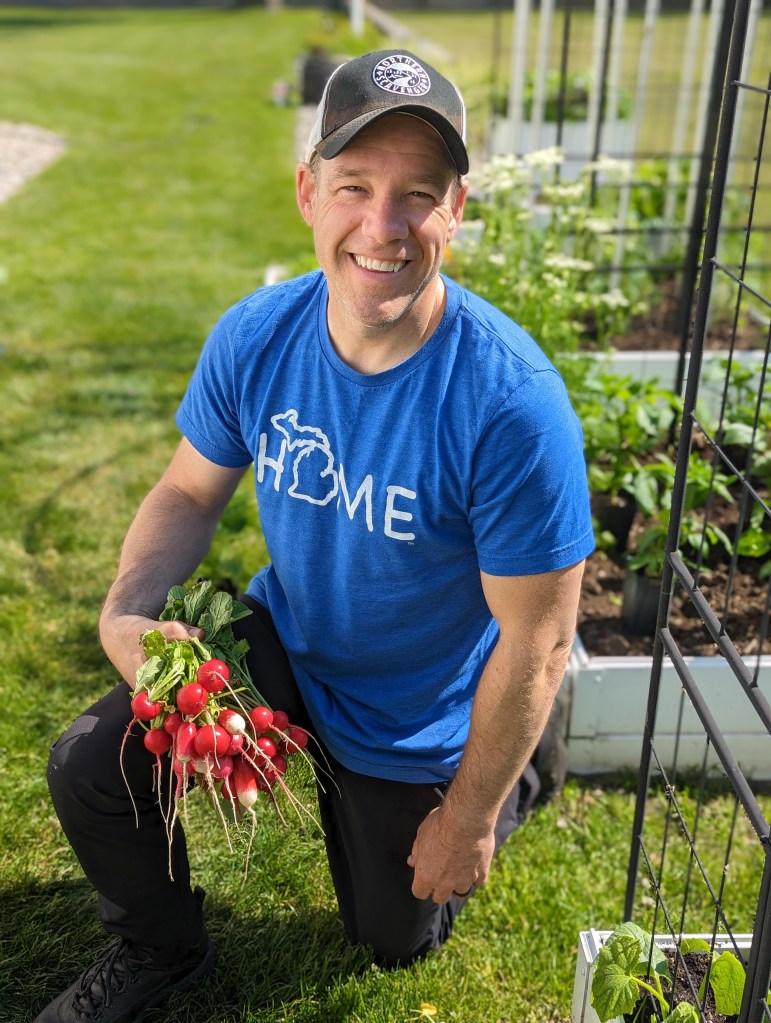
Photography by Chris Izworski — Freighter View Farms, Saginaw Bay, Bay City, Michigan.
 Freighter View Farms | Chris Izworski
Leave a comment